
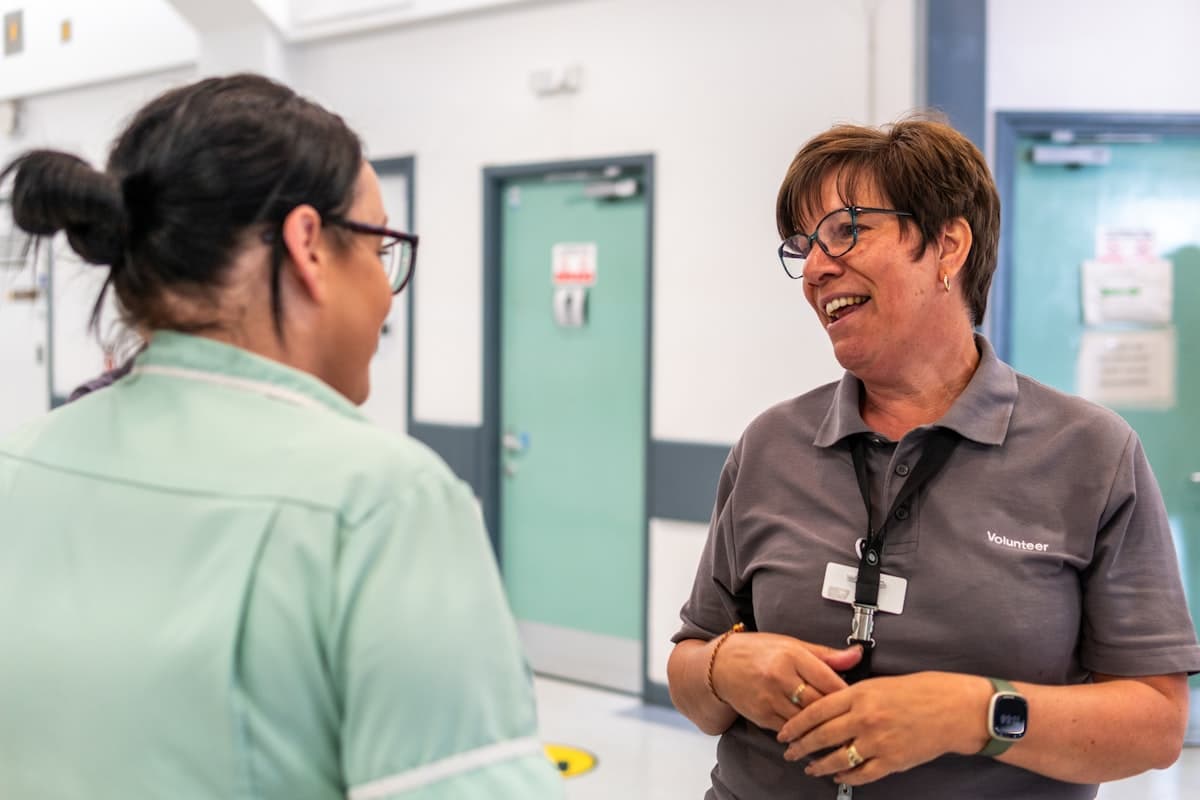
- Team building training for healthcare teams builds communication, collaboration, and the psychological safety to speak up. It targets how staff work together, not bedside manner or clinical exams.
- In healthcare, poor team communication is a patient safety risk. A University of Leicester review linked it to more than one in ten patient safety incidents.
- PowerProv is not a clinical course or a comedy workshop. It builds professional team skills through hands-on exercises, in person across Australia and online.
- Results are measured through the Personal Power Index™, with 98% of participants reporting improved collaboration, listening, and thinking on their feet.
- Workshops run for teams of 10 or more and carry a money-back guarantee.
The best team building training for healthcare teams in Australia builds three things: clear communication, real collaboration, and the psychological safety to speak up. PowerProv delivers all three through engaging, hands-on workshops. It focuses on how your team works together under pressure, not bedside manner or clinical exams. In healthcare, how a team communicates can shape whether a patient stays safe.
What Is Team Building Training for Healthcare Teams?
Team building training for healthcare teams helps staff work better together. Not with patients. With each other.
It covers the everyday moments that decide how a ward or clinic runs: a handover between shifts, a quick huddle before a busy day, a junior staff member raising a concern with a senior one. These are team skills. Listening well, sharing information clearly, and trusting each other enough to speak up.
PowerProv builds these skills through hands-on exercises, not lectures. Staff practise real communication in a low-stakes setting, then carry it back to the floor. Half-day workshops are the most popular starting point.
Why Does Team Communication Matter So Much in Healthcare?
Because the stakes are higher than in most workplaces. When a team miscommunicates in an office, a project slips. When a healthcare team miscommunicates, a patient can be harmed.
A University of Leicester review of 46 studies found poor communication was the sole cause of more than one in ten patient safety incidents, and played a part in one in four. Handovers and high-pressure shifts are where these breakdowns happen most. A rushed handover that leaves out one detail, or a worry nobody feels able to raise, is often all it takes.
Strong team communication is a safety system. It is also a wellbeing one, because staff who feel heard are less likely to burn out.
What Is Psychological Safety, and Why Does It Matter Here?
Psychological safety is the shared belief that you can ask a question, flag a risk, or admit a mistake without being punished or embarrassed.
In healthcare, this sits at the heart of patient safety. A nurse who feels safe to question a dose can stop an error before it reaches a patient. A trainee who feels safe to say "I'm not sure" gets help instead of guessing.
Hierarchy and pressure can make speaking up feel risky. PowerProv's exercises make it feel normal. For a deeper look, see how teams build psychological safety as a daily habit, not a poster on the wall.
How Is PowerProv Different From Clinical Communication Courses?
Most healthcare communication training in Australia is clinical. It teaches staff how to talk with patients, break difficult news, or pass a registration exam. That work matters, and it sits with clinical training providers.
PowerProv does something different. It builds the communication between team members. PowerProv is not a clinical or accredited medical course, and it is not a comedy workshop either.
Two other options fall short for a healthcare team:
- Novelty team days. Escape rooms, trivia, go-karts. Fun for an afternoon, but nothing your team can use on the next shift.
- Comedy schools running corporate sessions on the side. These are entertainment businesses. Their facilitators are trained to get laughs, not to build lasting professional skill or prove the result.
PowerProv gives a team a genuinely good day and skills they still use six months later.
What Does PowerProv Build for Healthcare Teams?
The workshops target the skills a team leans on when it is busy:
- Active listening, so information is heard the first time.
- Thinking on your feet, for the moments a plan changes fast.
- Clear, calm communication under pressure.
- The confidence to speak up, and to make it safe for others to do the same.
- Collaboration across roles, so nurses, doctors, allied health, and admin work as one team.
The method draws on improv principles, but no one performs or tries to be funny. Staff work through realistic situations with a fellow participant, get instant feedback, and build habits that hold. It is engaging by design, because people learn more when they are enjoying themselves.
“It's a safe, fast-paced, mind-expanding environment and gets you thinking differently about how to solve problems.”— Kamal S., Management Consultant
Does Better Teamwork Reduce Burnout and Turnover?
Healthcare runs on tight staffing and long shifts. When communication is poor, small frustrations pile up. Information gets missed, the same problems repeat, and people stop feeling heard. That wears a team down.
Better teamwork softens the load. When handovers are clear and it is safe to ask for help, work feels less chaotic and more shared. Staff who feel connected to their team, and trusted by it, tend to stay longer. For a sector where every departure is costly and slow to replace, that retention effect is part of the return, not a side note.
PowerProv workshops build the connection and trust that sit underneath it. Teams leave knowing each other better and speaking more openly, which is what makes a demanding job more sustainable.
Who Is It For, and How Does It Run?
PowerProv works with teams of 10 or more, from a single ward to a whole department. It suits multidisciplinary teams especially well, because the exercises put everyone on equal footing and quietly break down hierarchy.
Sessions run in person across Australia and online, so a shift-based or spread-out team can still take part together. Formats range from full-day workshops to a six-week embedded program that builds habits over time. Every workshop carries a money-back guarantee, so the risk sits with PowerProv, not your training budget.
Leaders responsible for team culture can start on the for leaders page.
How Do You Measure the Results?
Healthcare leaders need evidence, not a feedback form from the day. PowerProv provides it through the Personal Power Index™, an ongoing study measuring communication, collaboration, and confidence before and after every workshop since 2023.
The numbers are strong. Ninety-eight percent of participants report improved collaboration, listening, and thinking on their feet. Eighty-two percent report better decision-making and leadership.
The wider case is clear too. LinkedIn's 2025 Workplace Learning Report found nearly half of executives worry their people lack the skills to deliver on strategy. Research in Harvard Business Review found foundational skills like collaboration and adaptability matter more than technical skill alone. With a 4.9-star rating and 13+ years behind it, PowerProv brings a track record to match.
Build a Healthcare Team That Speaks Up
The best team building training for healthcare teams does more than fill an afternoon. It builds the communication, collaboration, and psychological safety that keep staff and patients safe. PowerProv delivers that as a measurable, genuinely enjoyable experience.
Book a discovery call to talk through your team, or see how it works first.
Sources
- One in ten patient safety incidents in hospitals due to poor communication · The Conversation
- 2025 Workplace Learning Report · LinkedIn Learning
- Soft Skills Matter Now More Than Ever, According to New Research · Harvard Business Review
Frequently asked questions
What is team building training for healthcare teams?
It is training that helps clinical and non-clinical staff work together better: communicating clearly, handing over safely, and speaking up about concerns. PowerProv delivers this as an engaging, hands-on workshop for healthcare teams across Australia. The focus is how the team functions together, not bedside manner or patient-facing clinical communication, which sit with clinical training providers.
How is this different from clinical communication training?
Clinical communication courses teach staff how to talk with patients, break difficult news, or pass a registration exam. PowerProv builds the communication between team members: handovers, huddles, and high-pressure moments when someone needs to speak up. It is not a clinical or accredited medical course. It builds the human skills that help a team work safely together.
Why does psychological safety matter for healthcare teams?
Psychological safety is the shared belief that people can raise a concern, ask a question, or admit a mistake without being punished or embarrassed. In healthcare, a junior nurse who feels safe to speak up can stop an error before it reaches a patient. PowerProv's exercises build that safety so speaking up becomes normal, not risky.
Can PowerProv run training for multidisciplinary teams?
Yes. PowerProv works with teams of 10 or more, including mixed groups of nurses, doctors, allied health, and administrative staff. The exercises put everyone on equal footing, which helps break down hierarchy and build trust across roles. Sessions run in person across Australia and online, and every workshop carries a money-back guarantee.
Is this a comedy workshop?
No. PowerProv draws on improv principles, but participants are not learning to be funny or perform. The output is professional skill: listening, adaptability, clear communication, and confidence under pressure. The sessions are genuinely fun, which is why the skills stick, but the goal is measurable capability, not laughs.
How are the results measured?
PowerProv tracks skill change through its Personal Power Index™, an ongoing study measuring communication, collaboration, and confidence before and after each workshop. Ninety-eight percent of participants report improved collaboration, listening, and thinking on their feet. That before-and-after data gives healthcare leaders evidence of change, not just a feedback form from the day.
What workshop formats are available?
PowerProv runs half-day workshops of 3–4 hours, full-day workshops of 6 hours, and a six-week embedded program delivered in weekly sessions. Half-day sessions build core communication and collaboration skills. Longer formats go deeper and help new habits stick. A short discovery call helps match the format to a team's goals and roster.