
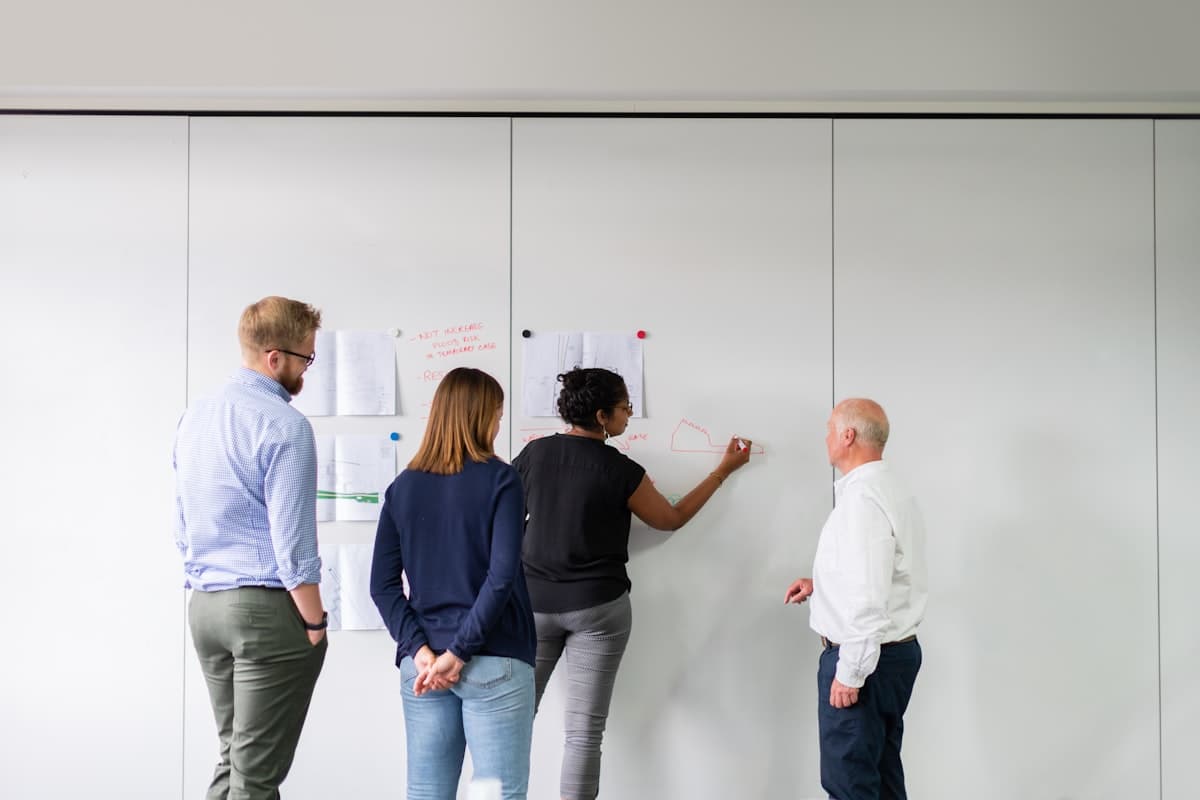
- A team building consultant diagnoses a team's actual problem first, then designs a program to fix it — different from booking a generic activity.
- Corporate team building in Australia generally runs $50-$300+ per person, varying by city and format, with diagnostic work pushing costs toward the higher end.
- The key distinction to make before hiring anyone: do you need a fix for a specific problem, or just a fun day out?
- Choose a consultant who asks questions before proposing a program, and who can show measured outcomes, not just good reviews.
- PowerProv sits between the two categories — training-grade outcomes, delivered through a genuinely fun, improv-based format.
A team building consultant diagnoses what's actually wrong with how a team communicates or collaborates, then designs a program to fix that specific problem. That's different from booking a ready-made activity, which entertains a group but doesn't target a root cause.
Here's what a consultant actually does, what it costs in Australia, and how to tell the difference between a consultant and an activity provider before you book either one.
What Does a Team Building Consultant Do?
A consultant typically starts with a diagnostic step: short interviews or surveys with team members and leadership to find out where communication breaks down, where trust is missing, or what's actually behind low morale. Only after that diagnosis do they design or select a program — workshops, ongoing sessions, or a one-off intervention — built around the specific issue.
This matters because the same surface symptom can have completely different causes. A team that "doesn't collaborate well" might be dealing with unclear roles, a recent restructure, or simply too little practice working together under pressure. A program built without diagnosing which one it is tends to entertain for a day and change nothing.
When Should You Hire a Team Building Consultant?
Hire a consultant when there's a recurring, specific problem to solve: communication breakdowns between departments, low trust after a leadership change, a graduate cohort that needs to gel quickly, or a hybrid team that's lost its working rhythm.
Signs Your Team Needs Outside Help
- The same conflict or miscommunication keeps resurfacing despite internal attempts to fix it
- A restructure, merger, or change in leadership has left the team fragmented
- Engagement or retention has dropped and exit interviews point to team dynamics
- Leadership wants a measurable outcome to report back to the business, not just a fun afternoon
If none of that applies and the team simply wants an enjoyable day together, a standard activity provider is the simpler, cheaper choice — and there's nothing wrong with that. The distinction matters because the two solve different problems.
What Does a Team Building Consultant Cost in Australia?
General corporate team building in Australia typically falls between $50 and $300+ per person, varying by city and format. Sydney sessions average roughly $100-$200 per person, Melbourne $80-$180, and Brisbane $80-$150 for standard activities (Hidden Door's 2025 cost guide).
Consultants who include diagnostic interviews and a custom-built program usually sit toward the higher end of that range, or above it — the extra design work is the point, not an add-on. Budget an extra 10% contingency on top of the per-person estimate for final numbers and logistics.
PowerProv doesn't publish fixed pricing, since cost depends on participant numbers, facilitators, and any customisation — see indicative investment ranges for budgeting before a call.
What's the Difference Between a Team Building Consultant and an Activity Provider?
An activity provider runs a pre-built activity — an escape room, a cooking class, a trivia night — designed to entertain. It's a great choice for a social occasion with no particular problem to solve.
A consultant starts by figuring out what's actually wrong with how the team works, then builds or selects a program around that diagnosis. The output looks different too: an activity provider delivers a fun afternoon; a consultant delivers a fix to a specific problem, ideally with the fun included rather than traded off against it.
“The perfect type of session to run post-COVID. I can't think of a better way to bring a team back together.”— Ryan C., Senior Manager, Bain & Co
How to Choose the Right Team Building Consultant
Questions to Ask Before You Hire One
- What does your diagnostic process look like before you propose a program?
- Can you show measured outcomes from past engagements, not just testimonials?
- How do you adapt the format for introverts or quieter team members?
- What happens if the program doesn't land — is there a guarantee?
Be wary of any consultant who pitches a specific program in the first conversation, before asking what's actually going wrong. That's a sign the "diagnosis" is just a sales formality.
What Makes PowerProv Different from a Traditional Consultant?
PowerProv sits between the two categories described above. It's not a generic activity provider — workshops are built around real skills (communication, adaptability, confidence under pressure) for teams of 10 or more, and it's HR-approved and introvert-friendly by design. It's also not a traditional consultant running interviews and a slide-deck recommendation — the format itself is the intervention, using improv-based exercises instead of lectures.
PowerProv Personal Power Index™, ongoing study since 2023
Those figures come from the Personal Power Index™, an ongoing longitudinal study tracking skill change before and after every workshop since 2023 — the kind of measured proof most team building providers, consultants and activity companies alike, don't track. It's backed by a money-back guarantee and real client reviews across hundreds of workshops.
- A consultant's job is diagnosis first, program second. If a provider proposes an activity before asking what's actually wrong, that's not a diagnosis — it's a sales pitch with extra steps.
- PowerProv isn't a consultant or an activity provider — it's both, measured. Real skill-building, delivered through a genuinely fun improv-based format, with the Personal Power Index™ tracking whether it actually worked.
Not sure whether your team needs a consultant, an activity, or something in between? Book a discovery call and find out what PowerProv would actually recommend for your situation.
Sources
- How Much Do Corporate Team Building Events Cost in Australia? (2025 Guide) · Hidden Door Experiences
- Personal Power Index™ · PowerProv
Frequently asked questions
What does a team building consultant do?
A team building consultant diagnoses what's actually wrong with a team's communication, trust, or collaboration, then designs a program to fix that specific problem. This is different from booking a generic team activity, which entertains a group but doesn't target a root cause.
When should you hire a team building consultant?
Hire a consultant when a team has a recurring, specific problem — poor communication, silos between departments, low trust after a restructure — rather than a one-off social occasion. If you just want a fun day out with no particular issue to fix, a standard activity provider is the simpler, cheaper option.
How much does a team building consultant cost in Australia?
General corporate team building in Australia typically falls between $50 and $300+ per person, varying by city and format — Sydney sessions average roughly $100-$200 per person. Consultants who include diagnostic work and a customised program usually sit at the higher end of that range, reflecting the extra design work involved.
What's the difference between a team building consultant and an activity provider?
An activity provider runs a pre-built activity — a quiz night, an escape room, a cooking class — designed to entertain. A consultant starts by figuring out what's actually wrong with how the team works, then builds or selects a program around that diagnosis. Activity providers deliver fun; consultants deliver a fix, ideally along with the fun.
How do you choose the right team building consultant?
Ask what their diagnostic process looks like before they propose a program, whether they can show measured outcomes from past clients, and whether the format suits your team, including introverts. Avoid any consultant who pitches a program before asking what's actually going wrong.
Is PowerProv a team building consultant or an activity provider?
Neither, exactly — PowerProv is a corporate training company that uses improv-based methods to build real skills like communication and adaptability, for teams of 10 or more. It's HR-approved, backed by a longitudinal study (the Personal Power Index™), and genuinely fun, which is a feature, not a trade-off against substance.