
The two words "yes, and" sound almost too simple to matter. In practice, they shift the entire dynamic of a conversation — from defensive to generative, from closed to open, from stuck to moving.
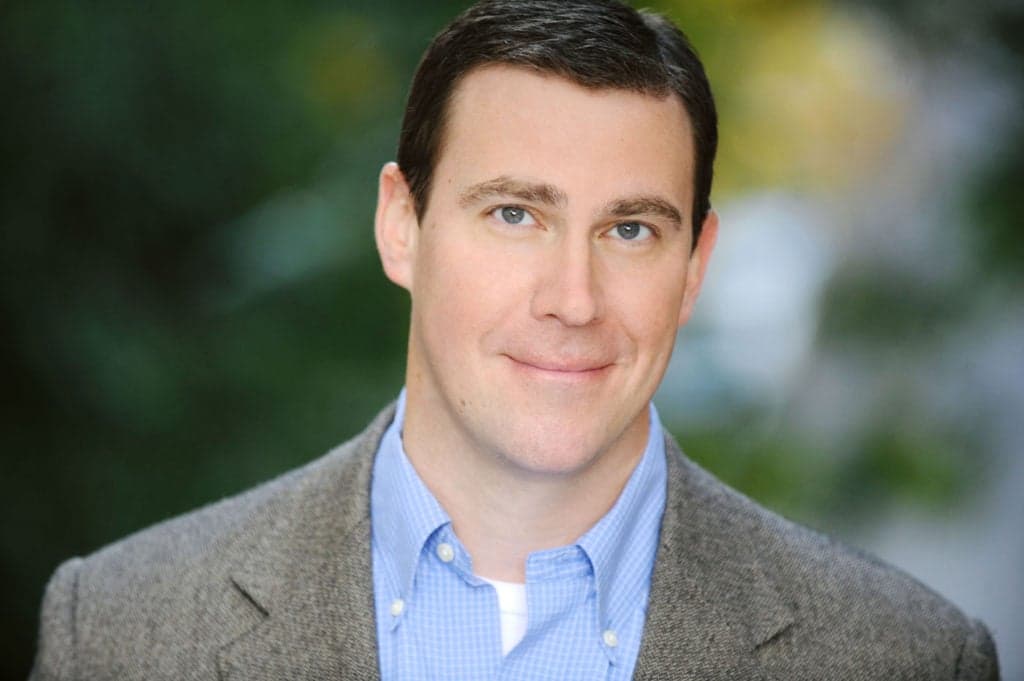
Bob Kulhan's Getting to "Yes And", published by Stanford University Press, is the definitive book on how improv principles apply to business — and a book PowerProv's team has long recommended to clients who want to understand the methodology behind what they experience in the room.
What "Yes, And" Actually Means
Most people assume "Yes, And" means agreement. It doesn't — not exactly.
There are two ways to use it, and both are legitimate.
The first is genuine agreement. "Yes, I hear you, I agree — and I want to build on what you just said." This is additive: you're accepting an idea and contributing to it. New information, new energy, forward momentum.
The second is acknowledgement without concession. "Yes, I hear you, I take in what you've said — and now I want to share a different perspective." This is the version people miss. "Yes, And" doesn't mean you give up your truth. It means you start from a place of acceptance before introducing your own view. The conversation stays open. The other person feels heard. And your contribution lands very differently than if you'd led with "but" or "actually" or "no."
Both modes produce better conversations than the alternative. "Yes, but" — the default in most workplaces — signals rejection, however gently. It puts the other person on the back foot. "Yes, And" keeps them in.
The Sweetest Sounds in Any Conversation
In How to Win Friends and Influence People, Dale Carnegie makes the point that the sweetest sound anyone can hear is the sound of their own name — and that using someone's name in conversation makes them feel seen and builds rapport.
PowerProv founder Eran Thomson has a theory about the second sweetest sound:
“When you finish speaking and the other person starts their next sentence with 'yes' — that positive acknowledgement feels good. My theory, slightly less proven than Dale's, is that it might be the second sweetest sound anyone can hear in a conversation.”— Eran Thomson, Founder, PowerProv
And if you want to take it further — what Eran calls Jedi level — you follow the "yes" by weaving some of the other person's own words back into your response. You're not mimicking them; you're demonstrating that you actually heard what they said. The effect on the other person is immediate. They feel genuinely listened to. The conversation deepens.
This is active listening in its most practical form — and it's one of the core skills PowerProv builds in every workshop.
What the Book Covers
Kulhan's background is unusual: more than 20 years as an improv performer (trained alongside Tina Fey and Amy Poehler), combined with academic appointments at Duke University's Fuqua School of Business and Columbia Business School. Getting to "Yes And" draws on cognitive and social psychology, behavioural economics, and improv technique to show how these principles apply to everyday business situations.
The book covers: running more productive meetings, making faster and better decisions, improving collaboration, resolving conflict, building a culture of innovation, and leading with presence and adaptability.
Ken Blanchard, co-author of The One Minute Manager, describes it this way:
"You don't have to spend years on stage to be good at the art of improvisation. In his new book, Getting to 'Yes And', improv veteran Bob Kulhan shows you how improvisation techniques can positively impact almost any business situation. Read this intriguing book and get ready to take communication at work to a whole new level."
It's available on Amazon and directly from Stanford University Press.
"Yes, And" on the Page vs. in the Room
Reading about "Yes, And" is a useful starting point. But the methodology doesn't fully transfer from page to behaviour on its own.
Knowing that you should say "yes, and" in a difficult meeting and actually doing it — calmly, naturally, under pressure — are different things. The habit has to be built through practice, not instruction. You need to feel the difference between a conversation where it's present and one where it isn't. You need to catch yourself reaching for "yes, but" and redirect in real time.
That's what PowerProv's workshops build. The book gives you the framework. The workshop gives you the muscle memory.
Book a discovery call — and find out what "Yes, And" feels like in a room full of people who are all practising it at once.
Or watch how it works first.
Frequently asked questions
What does "Yes, And" mean in business?
"Yes, And" is a communication principle from improvisational theatre. In business, it works two ways: first, as genuine agreement — "yes, I hear you, I agree, and I want to build on what you said." Second, as acknowledgement without concession — "yes, I hear you, and I want to add a different perspective." The crucial point is that "Yes, And" doesn't mean you give up your truth. It means you start from a place of acceptance before contributing your own view.
How does "Yes, And" improve team communication?
"Yes, And" shifts conversations from defensive to generative. When someone feels heard and acknowledged before a new idea is introduced, they stay open. When they hear "yes, but" or "no," they tend to dig in. Teams that practice "Yes, And" thinking spend less time in unproductive disagreement and more time building on each other's ideas. It also makes people feel genuinely listened to — which changes the quality of every conversation.
What is the book Getting to Yes And about?
Getting to "Yes And" by Bob Kulhan, published by Stanford University Press, applies improv principles to business challenges: meetings, decisions, collaboration, conflict resolution, innovation, and leadership. Kulhan is an Adjunct Professor at Duke University's Fuqua School of Business and Columbia Business School. The book is available on Amazon and from Stanford University Press.
Who is Bob Kulhan?
Bob Kulhan is the founder and CEO of Business Improv, an Adjunct Professor at Duke Fuqua and Columbia Business School, and the author of Getting to "Yes And" — published by Stanford University Press. He trained with Tina Fey and Amy Poehler and has over 20 years of stage experience. He is one of the leading voices on how improv principles apply to business and leadership.
How can teams learn to use "Yes, And" at work?
Reading about "Yes, And" is a useful starting point — Bob Kulhan's book is the definitive guide. But the methodology doesn't fully transfer from the page to behaviour on its own. PowerProv's workshops are designed to build the habit experientially: participants practise "Yes, And" thinking in motion, under pressure, in real conversations — which is how it becomes a natural response rather than a technique you have to remember.