- Communication styles are just the ways people prefer to share and receive information. No style is wrong, but mismatches cause everyday friction.
- Declaring your style with a 'communication style tag' is a nice first step, but it's passive: it asks everyone else to adapt to you, and no one remembers it in a busy week.
- The real fix is building a team that adapts to different styles in real time, powered by an ensemble 'we, not me' mindset and psychological safety.
- Poor communication is expensive: U.S. businesses lose an estimated $1.2 trillion a year to it, and 86% of employees and executives blame workplace failures on it.
- PowerProv builds the adaptability a label can't: measurable, improv-based skill development for teams of 10 or more.
Communication styles in the workplace are the different ways people prefer to share and receive information: direct or diplomatic, verbal or written, fast-moving or considered.
A popular idea says the fix for clashing styles is to label your own and tell everyone how best to work with you. It's a useful start. But on its own, a label won't fix team communication, because the real skill is adapting to styles that aren't yours, in the moment.
That skill is what PowerProv, Australia's #1 corporate improv training company, is built to develop.
What Are Communication Styles in the Workplace?
Communication styles are people's default settings for how they give and take information. Some common ones:
- Direct: gets to the point, wants the bottom line first, light on small talk.
- Analytical: wants detail, data, and full context before deciding.
- Diplomatic: leads with relationship and tone, reads between the lines.
- Expressive: thinks out loud, prefers live conversation over written back-and-forth.
No style is better than another. The trouble starts at the seams, when a direct manager fires off a one-line reply to an analytical teammate who needed context, and both walk away misreading the other. Multiply that across a week and you get the quiet tax of miscommunication.
That tax is real money. U.S. businesses lose an estimated $1.2 trillion a year to poor communication, according to Grammarly research, and 86% of employees and executives blame workplace failures on it, per the Fierce Inc. survey reported in Forbes.
The "Communication Style Tag" Idea: Why It's a Good Start
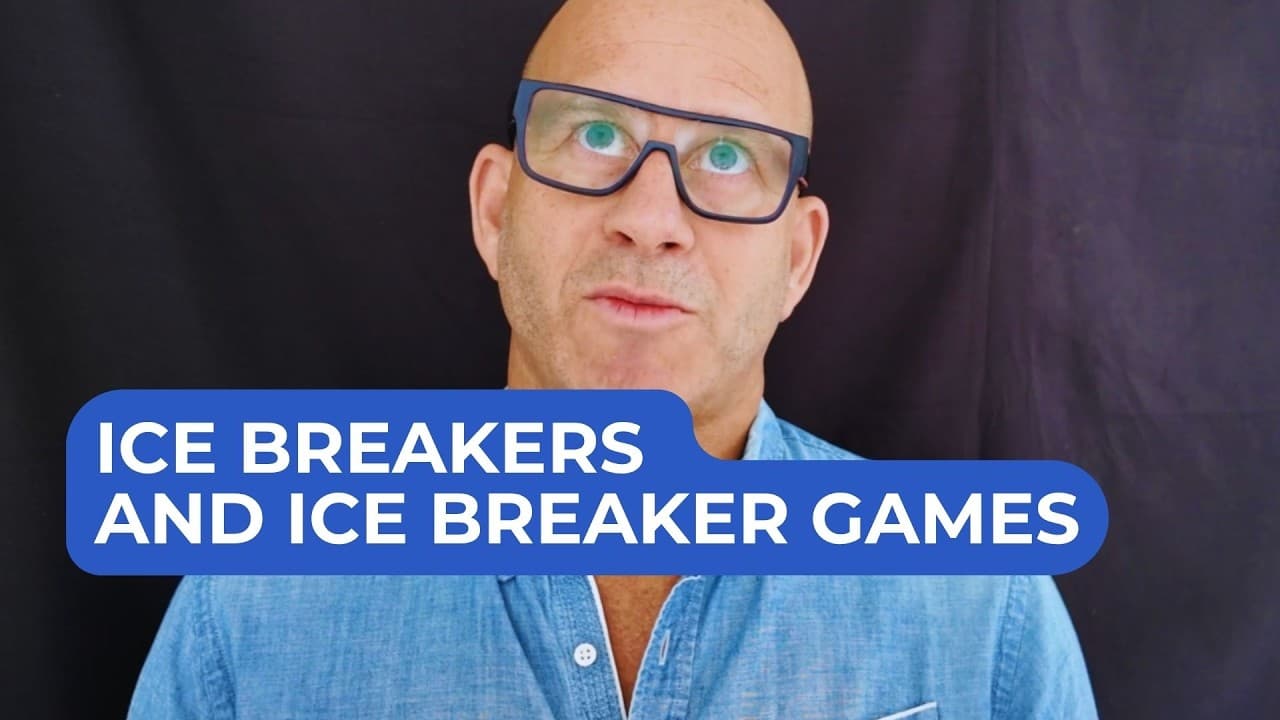
In a widely shared TED talk, one leader offers a tidy fix: add a communication style tag to your email signature or profile. Two parts: how you best communicate (email, call, focus hours) and how you show up at your best ("provide context in advance for fast decisions").
It's a genuinely nice idea, and it does one thing well: it forces specificity. Her cautionary tale is a project manager who read her one-word reply of "Sure." as lukewarm approval, then rebuilt an entire presentation nobody asked him to touch. A clearer signal would have saved days.
That 'Sure.' story is really a specificity problem, not a style problem. Killing ambiguity, saying exactly what you mean and checking it landed, is a trainable habit, and one of the first things teams sharpen through PowerProv practice.
Where a Communication Style Tag Actually Helps
A tag is useful for the stable, predictable stuff: your working hours, your preferred channel, the fact that you decide faster with context up front. Sharing that openly is a good workplace habit and takes five minutes. Keep it.
Why Declaring Your Style Won't Fix Team Communication
Here's the catch. A tag is a passive act. It publishes your preferences and quietly asks everyone else to do the adapting. That falls down in two ordinary ways.
It Asks Everyone Else to Work Around You
If every person's solution is "here's how you should talk to me," you've just handed the team a stack of rulebooks to memorise. Someone will always communicate differently than you'd prefer, and plenty of people never tag themselves at all. Waiting for the world to accommodate your default isn't a strategy. Building real-time adaptability is.
No One Remembers Your Tag in a Busy Week
In a fast-moving, low-margin business, nobody is cross-referencing your signature before they Slack you at 4:55pm. Static labels don't survive real pressure. What survives is a team that can read the moment and flex, which is a capability you build, not a line you write. That's the heart of how to genuinely improve team communication.
What Actually Works: Adapting to Different Styles in Real Time
The skill a tag can't give you is live adaptation: noticing how the other person is actually communicating and flexing toward them, instead of defaulting to your own comfort zone. Two things make that possible.
The Ensemble Mindset: "We, Not Me"
The ensemble mindset runs on one non-negotiable: the team's success matters more than any individual looking good. It flips the whole question. Instead of "how do I like to be spoken to?" you ask "what does this person, in this moment, need from me?"
A style tag optimises for me. An ensemble optimises for us. That shift is what turns a room of different communicators into a team that actually clicks.
“It's a safe, fast-paced, mind-expanding environment and gets you thinking differently about how to solve problems.”— Kamal S., Management Consultant
Psychological Safety Turns Differences Into Strengths
Adapting to each other only works when people feel safe to try, misread, adjust, and try again. That's psychological safety. Google's research into what makes teams effective ranked it the number one factor separating high-performing teams from the rest. When it's present, a quieter, considered style stops being a problem to route around and becomes a perspective the team leans on, which is what makes every other communication skill stick.
How PowerProv Builds the Adaptability a Tag Can't
You can't read your way to adaptability, and you can't declare your way there either. You build it by doing, which is what PowerProv's communication skills training is: active, on-your-feet practice at listening, flexing, and communicating under a little friendly pressure. The results are measured, not assumed.
PowerProv Personal Power Index™
Those figures come from the Personal Power Index™, a longitudinal study tracking measurable skill change before and after each workshop across hundreds of participants. It's why PowerProv can point to real outcomes where a personality quiz or a signature tag can only point to intentions.
And to be clear: this isn't a comedy workshop. Participants aren't learning to be funny or perform on stage. The methodology borrows improv's principles (listen, adapt, build on what you're given), but the output is professional capability. The fun is real, and it's a big part of why the skills stick. It's just not the point. For team leaders, that combination is the whole appeal: a session people genuinely enjoy that leaves them measurably better at working together.
Communication Style Tag vs. an Adaptable Team
| Communication style tag | An adaptable team | |
|---|---|---|
| What it is | A label you publish | A skill you build |
| Who adapts | Everyone else, to you | Everyone, to each other |
| Holds up under pressure? | Rarely, people forget it | Yes, it's a practised habit |
| Handles someone with no tag | No | Yes |
| Proof it works | Good intentions | Measured before-and-after change |
A tag is a helpful note on the door. An adaptable team is the thing that actually works once everyone's inside.
- Declaring your style is a good habit, not a fix. It's passive, forgettable under pressure, and only works if everyone else does the adapting.
- The real skill is adapting to others in the moment. That runs on an ensemble 'we, not me' mindset and the psychological safety to try, misread, and adjust.
- Adaptability is trainable, and PowerProv measures it. 98% of participants report improved collaboration and listening, verified by the Personal Power Index™.
Ready to Fix How Your Team Communicates?
A communication style tag is a nice first step. If you want the part that actually moves the needle (a team that reads each other and adapts in real time), that's built through practice, not labels. PowerProv has done it for teams at Google, PwC, Westpac, and Canva for 13+ years, with a 4.9-star rating and a money-back guarantee.
Ready to build a team that actually communicates?
Book a discovery call to see if PowerProv is the right fit. No cost, no pressure. Or watch how it works first.
Sources
- The State of Business Communication: U.S. Businesses Lose $1.2 Trillion Annually to Poor Communication · Grammarly & The Harris Poll, 2022
- The #1 Obstacle To Effective Communication (citing the Fierce Inc. workplace collaboration survey) · Forbes
- Understanding Team Effectiveness: Psychological Safety · Google re:Work
Frequently asked questions
What are communication styles in the workplace?
Communication styles are the different ways people prefer to share and receive information at work: direct or diplomatic, verbal or written, fast-moving or considered. Most people lean on one or two by default. No style is better than another, but a mismatch between two people's defaults is where a lot of everyday friction, delay, and misreading starts.
Does declaring your communication style actually improve team communication?
It helps a little, but not much on its own. Declaring your style, on an email signature or profile, is passive. It asks everyone else to remember and adapt to you, which rarely survives a busy week. Real improvement comes from building a team's shared ability to adapt to each other in the moment, not from labels.
How do you adapt to different communication styles?
You notice how the other person is actually communicating, then flex toward them instead of defaulting to your own preference. That means matching their pace, channel, and level of detail, and reading the cues when something isn't landing. It's a practised skill, not a personality trait, which is why teams can train it.
What is the 'we, not me' mindset?
It's the ensemble mindset at the heart of improv: the group's success matters more than any individual looking good. Applied to communication, it flips the question from 'how do I like to be spoken to?' to 'what does this person and this moment need from me?' It's the difference between declaring your needs and serving the team's.
Can adaptability and communication really be trained?
Yes. PowerProv's Personal Power Index™, a longitudinal study measuring skills before and after workshops, found 98% of participants reported improved collaboration, listening, and confidence. Adaptability, active listening, and thinking on your feet are learnable skills, and improv-based practice builds them through doing, not through a personality test or a slide deck.
Is PowerProv a comedy workshop?
No. PowerProv uses improv-based methods to build real professional skills like communication, adaptability, collaboration, and confidence, for teams of 10 or more. Participants aren't learning to be funny or perform on stage. The sessions are genuinely fun, which is part of why the skills stick, but the output is measurable capability, not comedy.